Academic success is often associated with intelligence, grades, and the ability to understand complex subjects. However, another important factor contributes to a student’s personal and academic development: emotional intelligence. The ability to recognize, understand, and manage emotions can influence how students learn, communicate, solve problems, and respond to challenges.
In modern education, students face a variety of pressures, including demanding assignments, examinations, social expectations, and decisions about their future careers. Emotional intelligence can help them navigate these experiences with greater confidence and develop skills that are valuable both inside and outside the classroom.
Understanding Emotional Intelligence
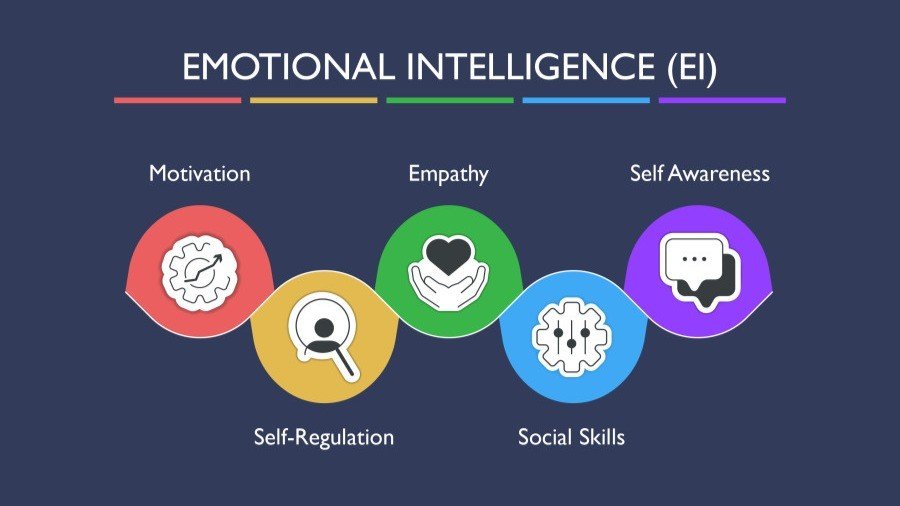
Emotional intelligence refers to the ability to recognize and understand emotions in oneself and others. It also involves managing emotional responses and using emotional awareness to guide decisions and interactions.
For students, emotional intelligence includes recognizing feelings such as frustration, excitement, nervousness, and disappointment. Instead of reacting immediately to these emotions, emotionally aware students learn to consider their feelings and choose appropriate responses.
For example, a student who receives a disappointing examination result might initially feel discouraged. With emotional awareness, that student can recognize the disappointment, identify areas that need improvement, and create a plan for future preparation.
This ability does not mean avoiding difficult emotions. Rather, it involves responding to them in constructive ways.
Improving Academic Performance
Emotional intelligence can support academic performance by helping students manage their reactions to academic challenges. Learning often involves mistakes, difficult concepts, and situations in which progress takes time.
Students who understand their emotions may find it easier to remain focused when they encounter obstacles. They can approach challenging assignments with patience instead of immediately becoming frustrated or giving up.
Self-awareness also helps learners identify the conditions that affect their concentration. Some students may discover that they work better with a structured schedule, while others may need short breaks between study sessions.
By understanding their habits and emotional responses, students can make better decisions about their learning routines. These skills can encourage consistency and help them develop a more positive attitude toward academic improvement.
Building Strong Communication Skills
Communication is an essential part of the educational experience. Students regularly interact with teachers, classmates, academic advisors, and other members of their learning communities.
Emotional intelligence helps students become more aware of how their words and actions affect other people. It encourages active listening, respectful disagreement, and thoughtful responses during conversations.
For example, group assignments may involve different opinions about how a project should be completed. Students who can recognize their own reactions and understand other perspectives are often better prepared to resolve disagreements constructively.
These communication skills can also make it easier for students to ask questions, request assistance, and participate confidently in classroom discussions.
Developing Better Relationships With Peers
Positive relationships contribute to a supportive learning environment. When students feel respected and included, they may be more comfortable sharing ideas, participating in activities, and seeking help when necessary.
Emotional intelligence supports relationship-building through empathy and social awareness. Empathy involves trying to understand another person’s feelings or perspective, even when their experiences differ from one’s own.
In educational settings, empathy can help students respond more thoughtfully to classmates who are experiencing academic difficulties or personal challenges.
Developing these qualities also encourages cooperation. Students can learn to appreciate different viewpoints, share responsibilities, and contribute to group activities without allowing minor disagreements to damage their relationships.
Managing Academic Stress and Pressure
Examinations, deadlines, presentations, and demanding coursework can create stress for students at different stages of their education. While some pressure may encourage preparation, excessive stress can interfere with concentration and motivation.
Emotional intelligence can help students recognize early signs of stress, such as irritability, difficulty focusing, or feeling overwhelmed by ordinary tasks.
Once students understand these signals, they can take practical steps to manage their workload. Creating a realistic study schedule, dividing large assignments into smaller tasks, taking appropriate breaks, and discussing concerns with trusted people are useful strategies.
Learning to manage emotions can also help students respond more calmly to unexpected changes. Instead of viewing every academic setback as a permanent failure, they can treat difficulties as opportunities to adjust their approach and improve their skills.
Encouraging Leadership and Teamwork
Leadership involves more than giving instructions or making decisions. Effective leaders also need to understand people, communicate clearly, and respond appropriately to different situations.
Students develop leadership skills through activities such as student organizations, academic projects, sports teams, and community initiatives.
Emotional intelligence can help student leaders recognize the needs of team members and create an environment where everyone feels comfortable contributing.
For example, a student coordinating a research project may need to address unequal workloads or disagreements about project direction. Listening carefully and responding respectfully can help the group identify solutions and maintain cooperation.
These experiences can prepare students for future responsibilities in professional and community settings.
The Role of Schools and Universities
Educational institutions can support emotional intelligence by creating learning environments that encourage respect, reflection, and constructive communication.
Teachers can introduce classroom activities that help students identify emotions, discuss different perspectives, and practice resolving disagreements. Group projects, reflective writing, peer discussions, and collaborative problem-solving exercises can all contribute to emotional development.
Universities can also provide mentoring opportunities, student support services, leadership programs, and workshops focused on communication and personal development.
Importantly, emotional intelligence should not be treated as a fixed ability. Students can strengthen these skills through practice, feedback, and experience. Institutions that recognize emotional development as part of education can help students become more adaptable and confident learners.
Applying Emotional Intelligence Beyond Education
The benefits of emotional intelligence extend well beyond academic life. In professional environments, people regularly encounter deadlines, teamwork requirements, changing responsibilities, and challenging conversations.
Students who develop emotional awareness and self-management may be better prepared to handle these situations. They can learn to accept constructive feedback, communicate with colleagues, and approach disagreements professionally.
Emotional intelligence is also valuable in everyday life. Understanding emotions can support healthier relationships, thoughtful decision-making, and a stronger sense of personal responsibility.
These abilities complement technical knowledge and academic qualifications, helping individuals navigate different stages of personal and professional development.
Conclusion
Emotional intelligence is an important part of student success because it influences how learners respond to challenges, communicate with others, manage stress, and build relationships. While academic knowledge remains essential, emotional awareness and interpersonal skills provide additional support for long-term development.
Schools and universities can encourage these abilities through supportive teaching practices, collaborative activities, and opportunities for reflection. Students can also strengthen emotional intelligence through everyday experiences and a willingness to learn from their reactions.